The Double Scourge of Inventory
Stockouts equal lost customers and evaporated margins. Overstock equals frozen cash flow and obsolescence risks. Too many SMEs experience both simultaneously due to a lack of predictive demand visibility.
Experienced buyers manage by gut feeling and historical data. However, faced with seasonality, supplier uncertainties, and demand volatility, intuition quickly reaches its limits.
What AI Changes in the Supply Chain
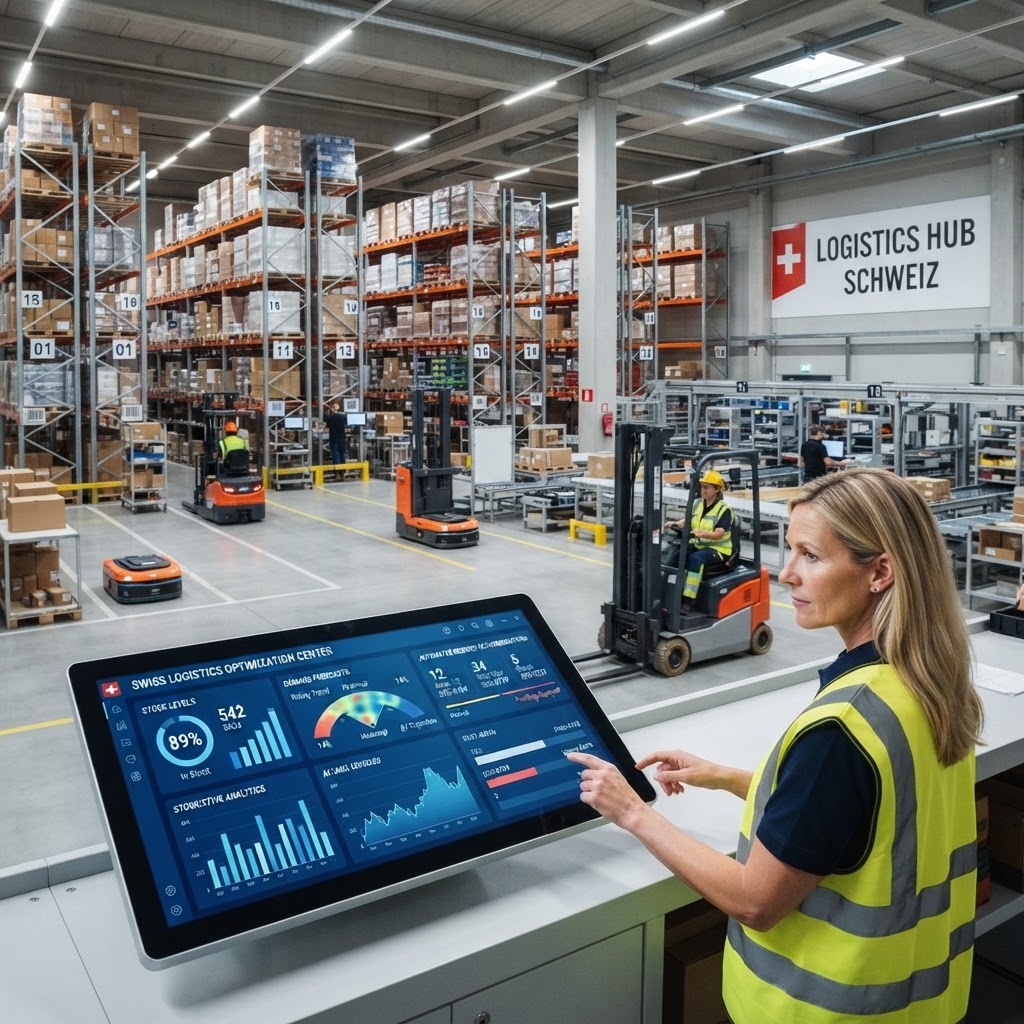
- Demand forecasting: AI analyzes historical sales, seasonality, trends, and external signals.
- Optimal inventory: Dynamic calculation of reorder points and safety stock per reference.
- Automated reordering: Purchase orders generated and pre-validated based on forecasts.
- Supplier scoring: Lead times, quality, and price — AI recommends the best supplier per item.
- Dormant stock alerts: Detection of low-rotation items and recommendations for clearance.
Why This Is Crucial for SMEs
Trading SMEs often tie up 20% to 30% of their working capital in inventory. When managed better, this capital returns to cash reserves, investment, or growth. It is a major, under-exploited financial lever.
ERP Integration: Not Just Another Tool
Supply chain AI is most effective when connected to your ERP. Forecasts feed into purchasing, purchase orders, receiving, accounts payable, and margin analysis. One single source of truth for end-to-end consistent decision-making.
Observed Results
- -30% reduction in stockouts
- -25% reduction in overstock value
- +15% increase in customer service rates
- Working capital freed for reinvestment in growth
- Buyers refocused on negotiation and sourcing